A selection of notable quotes and comments we’ve come across this month
By Marc Ambasna Jones 03 Dec 25 Reading time: 5 mins
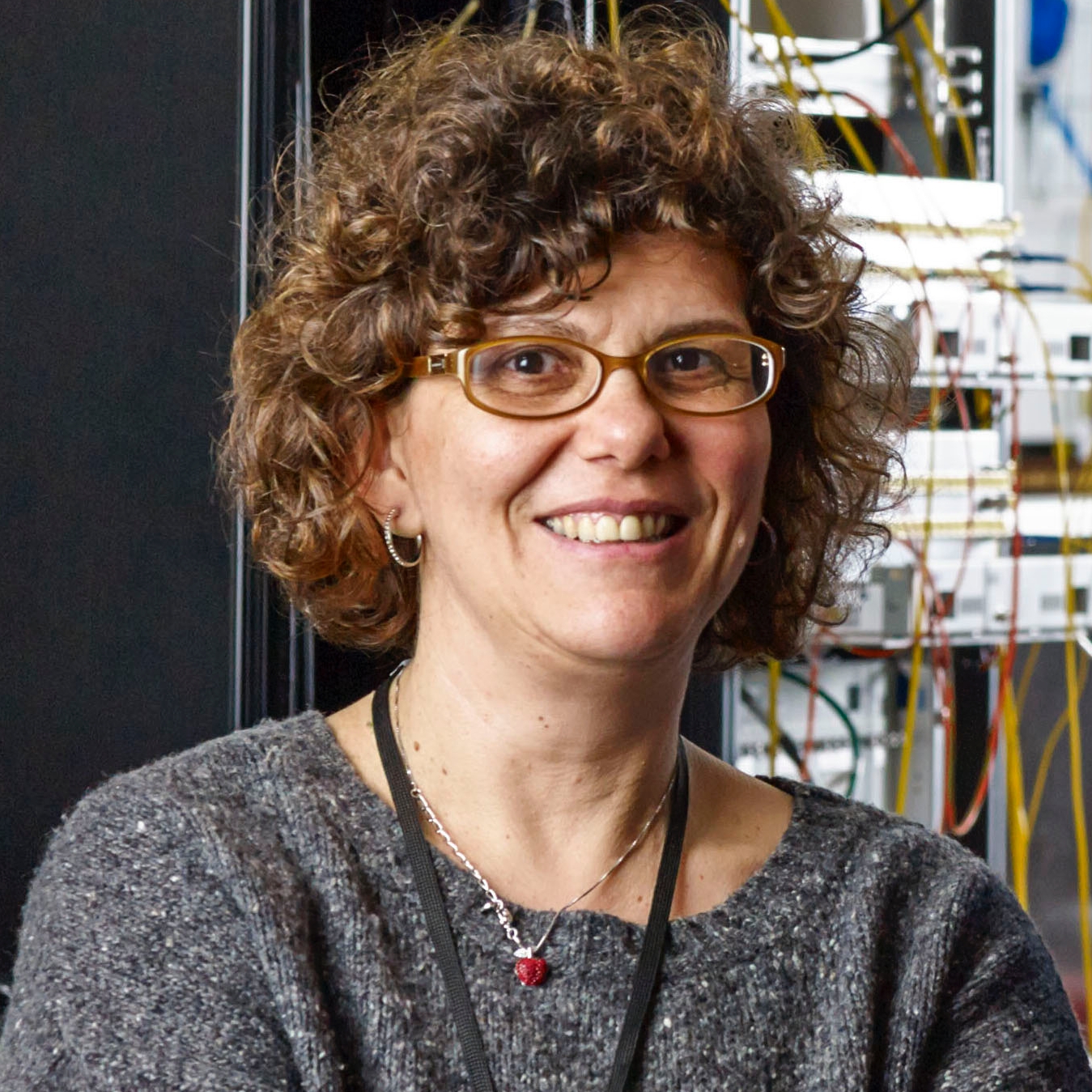
“I’d like people to say that the Smart Internet Lab helped the UK to skip a generation in how it thought about connectivity… If, by 2040, Bristol is still seen as a place where you can build the future network and see its impact on real lives, then the Lab will have done its job.”
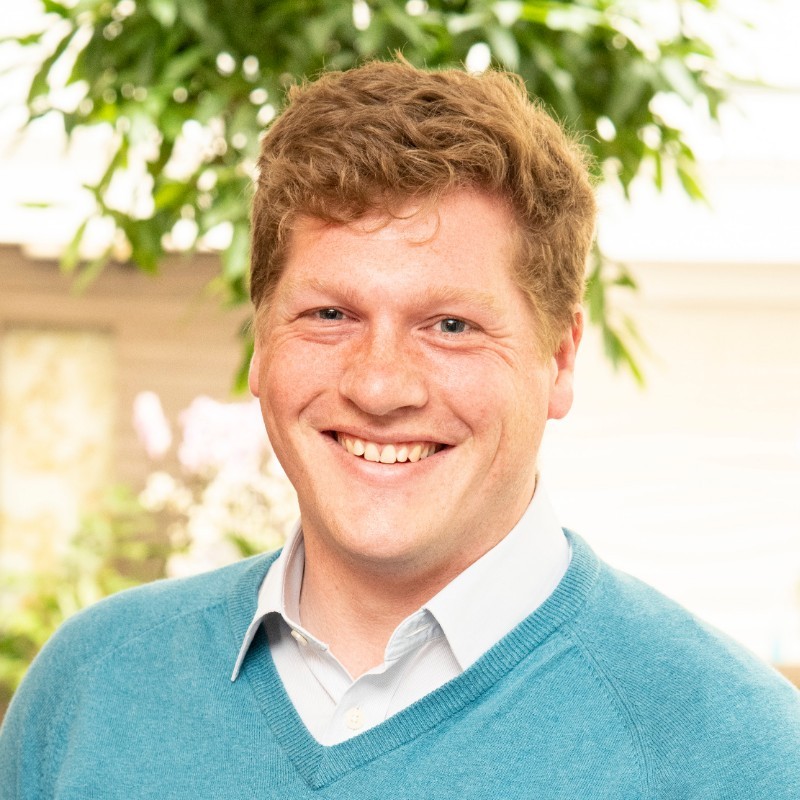
“There are very few people who can do this work. The availability of talent is really constrained. There are a very small number of people worldwide who can develop quantum algorithms and understand how to make the software work.”
Ashley Montanaro, co-founder and CEO of Phasecraft, on why progress in quantum software still depends on the people who can actually write it and the challenge of scale. From our article Why quantum software is a movement for the ages
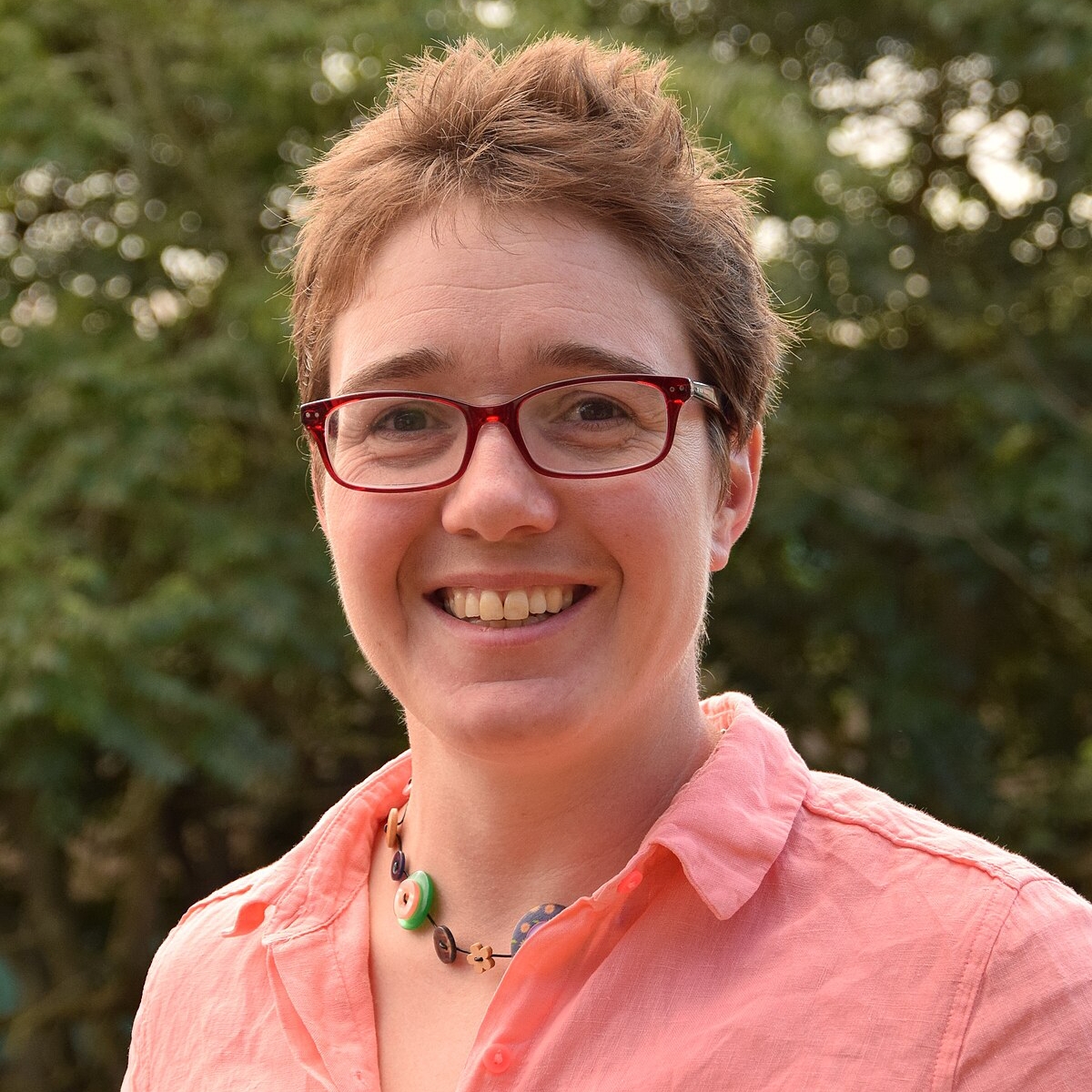
“EPSRC has been putting money into this field over an enormous number of years. It’s amazing to watch these things come to fruition, from basic research and the ideas people had into products and things we can see in reality.”
“There’s often talk of a chicken-and-egg challenge between quantum hardware and software. But in reality, they must evolve together. Quantum hardware needs software. Just like a powerful CPU is useless without an operating system, software also needs the right hardware foundations to demonstrate value.”
“Quantum hardware is still noisy and fragmented across competing modalities, and quantum error correction is fiendishly complex. However, software gives hardware purpose.”
“Exceptionally large search spaces of options can now be explored quickly, identifying promising avenues for deeper exploration and cutting off dead-ends sooner. Innovation often requires identifying where best to push forward in a large space of options – and so it will significantly speed up where strong expertise already exists to draw on.”
“When quantum companies presented, the room usually fell silent. Generalist investors sometimes didn’t have the language to articulate the question they were feeling.”
“There are some really knotty technical challenges around pension funds investing in venture capital funds, the way they’re structured, the fees, the reporting requirements. They’re just different beasts, and people, including people at the Bank, are working very hard to fix some of those.”
“Governments have done a great job putting in money, but they’re not considered repeatable customers by investors. What I’d really like to see is a move towards corporates doing pilot programmes for applications. Once the commercial validation starts to become tangible, it will really help.”
“One of the strengths and the disadvantages of the UK quantum ecosystem is that it’s 10 years old now and that comes with a bit of baggage. We have companies in the process of cleaning themselves up but there’s a lot to be learned from those 10-year-old quantum companies that we can apply to new ones.”
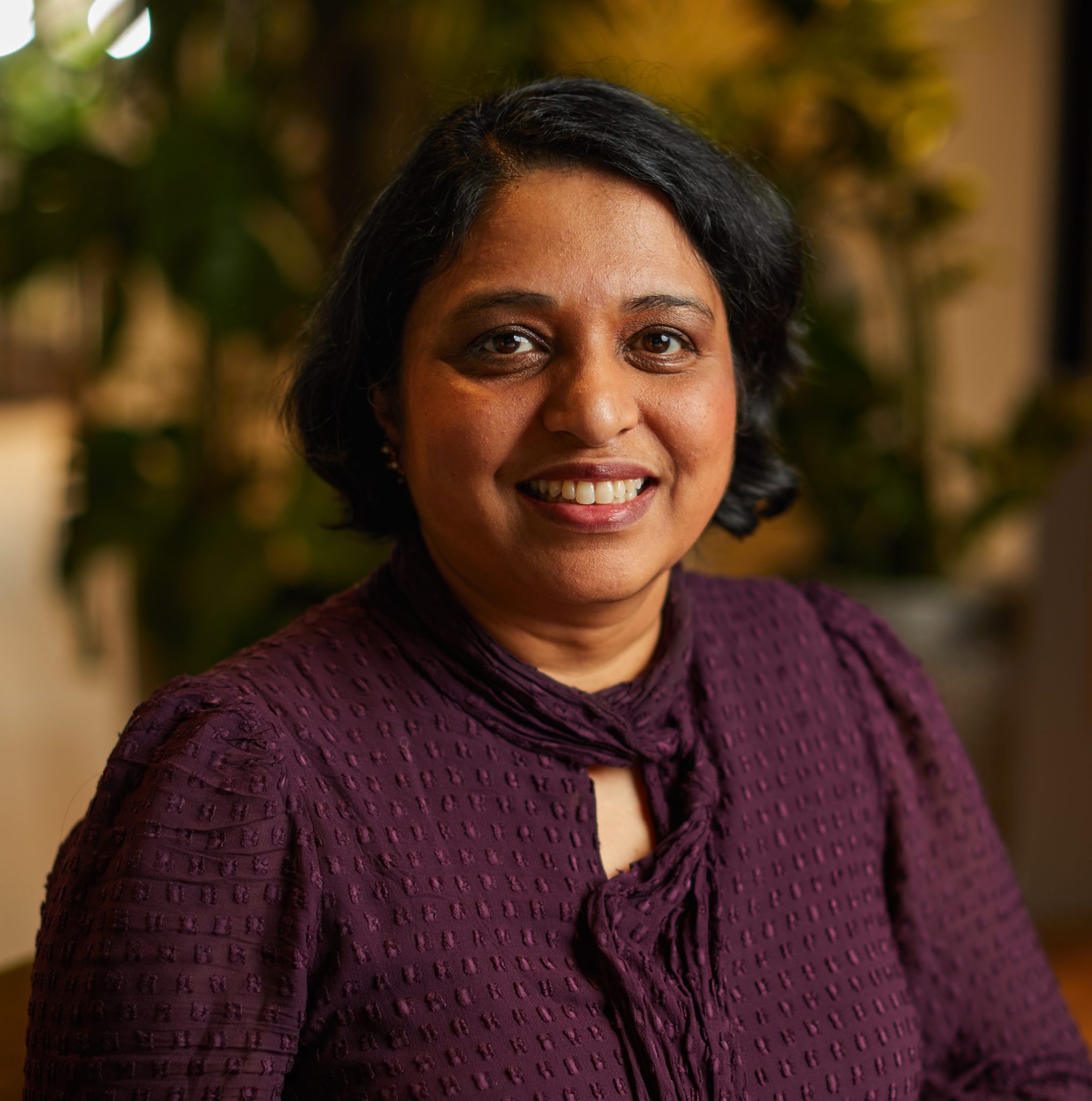
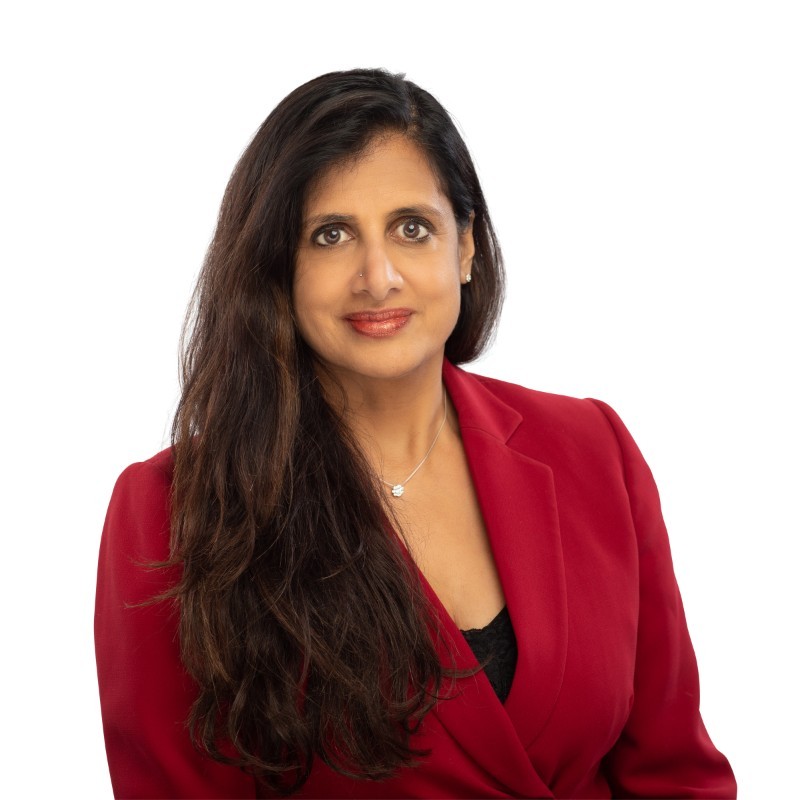
“I’ve been doing the picks and shovels, the people who are servicing the quantum industry. I feel like I can get a better feel for where the quantum industry is going by who is buying what tooling.”
Sujatha Ramanujan, chief investment officer at NextCorps and managing director at Luminate, talking at Optica’s Quantum Industry Summit in Bristol on where her money is going in 2026.
Working as a technology journalist and writer since 1989, Marc has written for a wide range of titles on technology, business, education, politics and sustainability, with work appearing in The Guardian, The Register, New Statesman, Computer Weekly and many more.