A selection of notable quotes and comments we’ve come across this month
By Marc Ambasna Jones 04 Nov 26 Reading time: 2 mins
“Our country is one of the most innovative in the world. We have top-ranking universities, vibrant start-ups and deep capital markets. Just today, I can announce over £1bn of new life sciences investment from Kindeva, Vertex, and Convatec, backed by almost £70m of government funding and supporting over 1,000 jobs.”
Chancellor John Healey delivering his first Budget speech on 28 October. Measures for spinouts and start-ups included a 10% capital gains rate for founders on up to £10m of lifetime gains, £16m of proof-of-concept funding and an expanded British Business Bank.
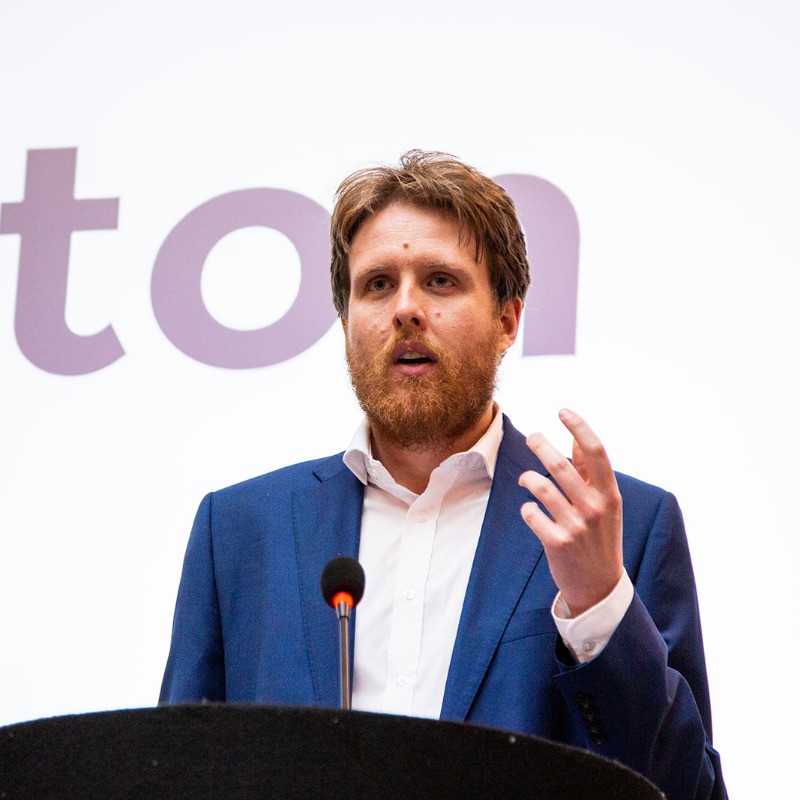
“A lot of people make this assumption that it’s the regulatory side that makes it difficult to sell to the NHS, and it’s not that at all. The regulation isn’t a problem but NHS procurement is very, very, very slow.”
“What is unique about photonic integrated circuits is that they are the most scalable and the most mature of the platforms. Even if you’re going to use one of the other platforms, you still need photonic integrated circuits to process the photons or to guide the photons.”
“People skilled in photonics are going to be in demand everywhere so they will go where the cost of living and quality of life is best for them. I foresee photonic-based AI chips will become more important, which will be another competitor for quantum photonic skilled people.”
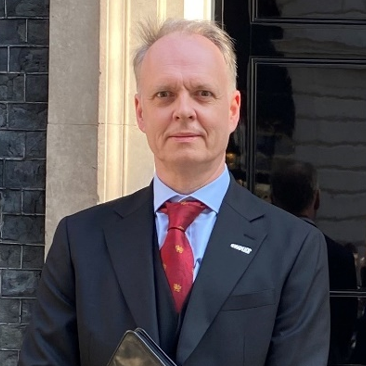
“Policy makers haven’t quite read the room and still don’t quite understand the opportunity. To do well, it also requires suitably sized investment to make a difference, and it must be focused, and refrain from trying to be too many things to too many people. Neither of these features come naturally to UK policy makers who historically like to spread their bets.”
“Twenty years ago yes, many of our best photonics talent went abroad, but even then many returned home and became members of a global UK photonics diaspora that led to significant inward investment. There is and has always been a two-way flow. Brexit has created more barriers, restricting this flow. But with high talent visa programmes it remains a two-way flow which benefits all.”
Working as a technology journalist and writer since 1989, Marc has written for a wide range of titles on technology, business, education, politics and sustainability, with work appearing in The Guardian, The Register, New Statesman, Computer Weekly and many more.