Wise words and waggishness… May 2026

A selection of notable quotes and comments we’ve come across this month

Marc Ambasna Jones
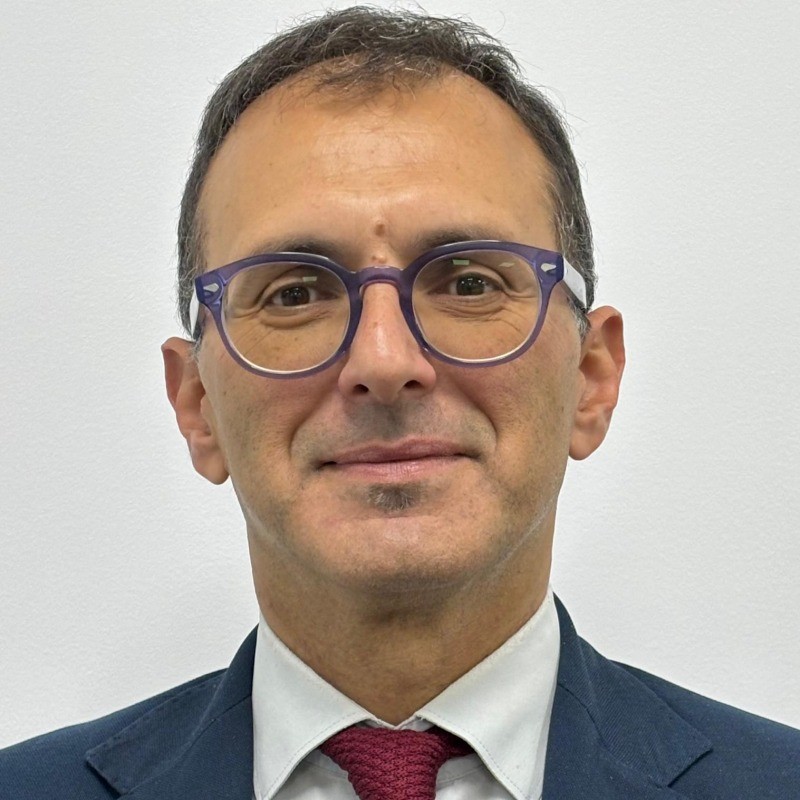
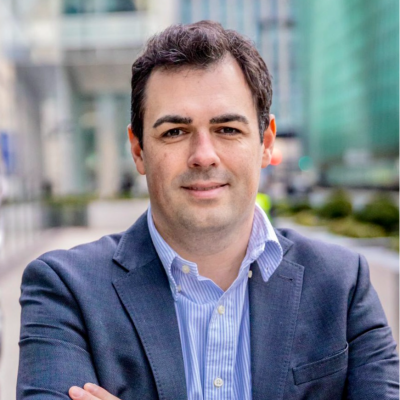
A headshot of Philip Intallura.

“CISOs are waking up. Boards are waking up. The penny has dropped that the urgency around quantum security is not a future problem, it’s a transformation programme that needs to start today.”

Philip Intallura, head of quantum at HSBC, speaking about Q-Day.


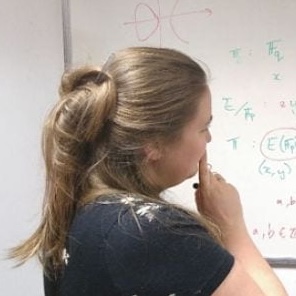
A headshot of Chloe Martindale, turned away from the camera looking at a whiteboard covered in equations.

“There is always a risk of repeating past mistakes. But there may actually be an opportunity in this transition effort to fix existing broken security systems.”

Chloe Martindale, senior lecturer in cryptography at the University of Bristol, in our article 2029 and counting. Does Google’s Q-Day deadline highlight gaps in cybersecurity?


A headshot of Jason Soroko.

“If an organisation could not track its RSA certificates, automate renewal, or enforce key protection policies before, it will fail in exactly the same ways with ML-DSA and ML-KEM. You cannot migrate what you cannot see.”

Jason Soroko, senior fellow at Sectigo, talking about how quantum computing weakens the mathematical foundations of today’s cryptography, but leaves much of the operational reality untouched.


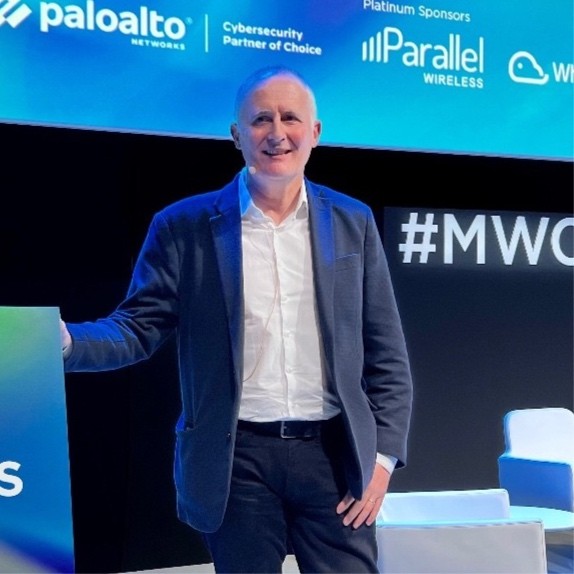
A photo of Dr Doug Pulley, standing on a stage against a podium.

“Embedding AI into the RAN architecture requires new silicon and new commercial relationships.”

Dr Doug Pulley, CTO at RANsemi, writing in the introduction to the in-depth briefing From basic automation to ‘thinking infrastructure’, how AI is shaping the future of networks


A headshot of Rupert Baines.

“Modern comms are insanely complicated. Think about the amount of software that’s involved in a 5G stack – many millions of lines of code. All the different elements of the stack interact in sometimes unpredictable ways making it beyond humans to manage.”

Rupert Baines, serial entrepreneur and non-executive director at CSA Catapult, talking about AI in telecoms innovation.


“We’re heading for more intelligent traffic routing, automated service provisioning and configuration, and better capacity planning and design. Energy saving will be another gain. If you use AI to put your RAN into idle mode you will notice immediate savings.”

Kerem Arsal, senior principal analyst with Omdia, talking in our in-depth briefing about how the next phase of AI in telecoms innovation will go beyond the usual suspect applications like root cause analysis and anomaly detection.


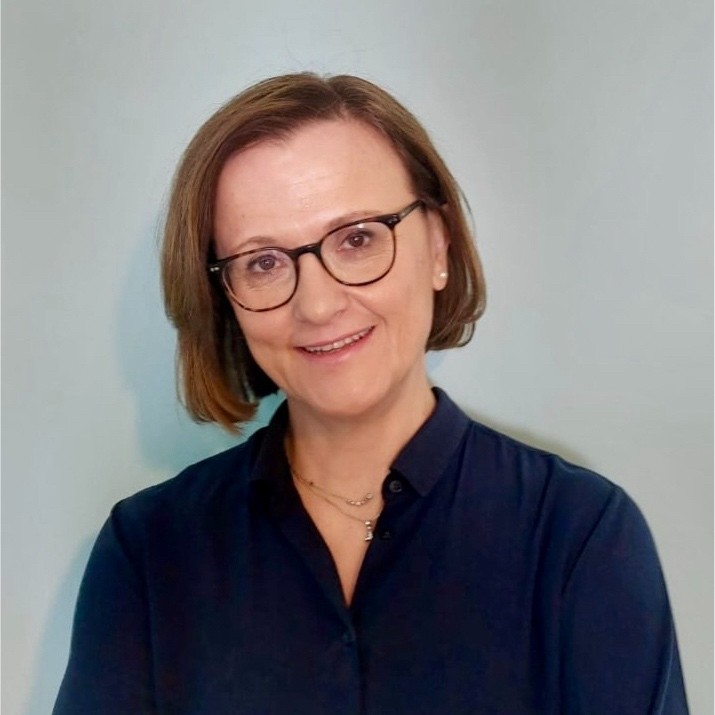
A headshot of Nektaria Efthymiou.

“The biggest misconception is that AI will remove humans. It won’t. Humans will still set intent, policy, and guard rails, and machines will execute on that. The other misconception is that we need more and more data and more compute to get results from AI. But studies have shown that we have actually reached a point of diminishing returns.”

Nektaria Efthymiou, network platform and security research director at BT Group, on the impact of AI on the telecoms industry.


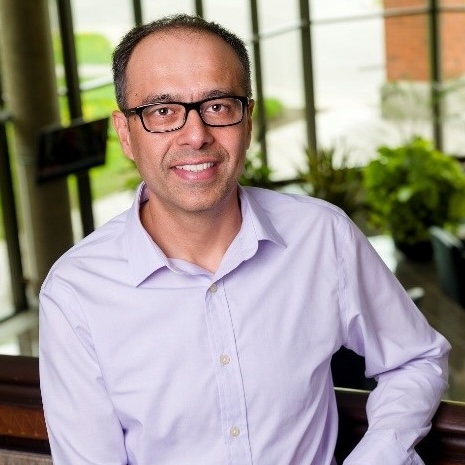
A headshot of Manish Gulyani.

“It might take time for the industry to get comfortable with deploying agentic AI in particular. Autonomy is a much bigger step than mere automation. For true autonomy you need to be sure you have the right guardrails. You need confidence and trust in AI’s decisions. Humans must define the rules.”

Manish Gulyani, VP of Technology Marketing at Nokia, in our briefing From basic automation to ‘thinking infrastructure’, how AI is shaping the future of networks


“Countries lagging in terrestrial broadband residential and enterprise infrastructure can use satellite broadband to help fill the gap with advanced countries, and attract more foreign direct investment and the digitalisation of industry sectors.”

William Rojas, research director of strategic intelligence at GlobalData, on satellite broadband communications becoming a new strategic imperative.


A headshot of Toni Spatola.

“Rather than isolated milestones, Artemis II acted as a validation anchor for investors and operators, as well as a reference architecture for future NTN and deep space standards.”

Toni Spatola, chief commercial officer at Filtronic, on why space agency missions like Artemis II no longer function as primary drivers of innovation.


“It is expected future advancement of 6G will naturally cover the envisaged requirements from deep space communications, and solution architectures will converge at some point.”

Professor Ning Wang, deputy director of international experimentation platform JOINER, in our article Space is infrastructure now. The question is who controls it?

Marc Ambasna Jones
Marc Ambasna Jones / Working as a technology journalist and writer since 1989, Marc has written for a wide range of titles on technology, business, education, politics and sustainability, with work appearing in The Guardian, The Register, New Statesman, Computer Weekly and many more.

Working as a technology journalist and writer since 1989, Marc has written for a wide range of titles on technology, business, education, politics and sustainability, with work appearing in The Guardian, The Register, New Statesman, Computer Weekly and many more.
THE CONVERGENCE OF CRITICAL TECHNOLOGIES

Semiconductors & Future Mobility

Book now

ONLINE COURSE

Learn quantum computation with leading experts

Apply

WORKSHOP

Engage with national experimentation facilities

Register
Privacy Overview

This website uses cookies so that we can provide you with the best user experience possible. Cookie information is stored in your browser and performs functions such as recognising you when you return to our website and helping our team to understand which sections of the website you find most interesting and useful.