Wise words and waggishness… June 2026

A selection of notable quotes and comments we’ve come across this month

Marc Ambasna Jones
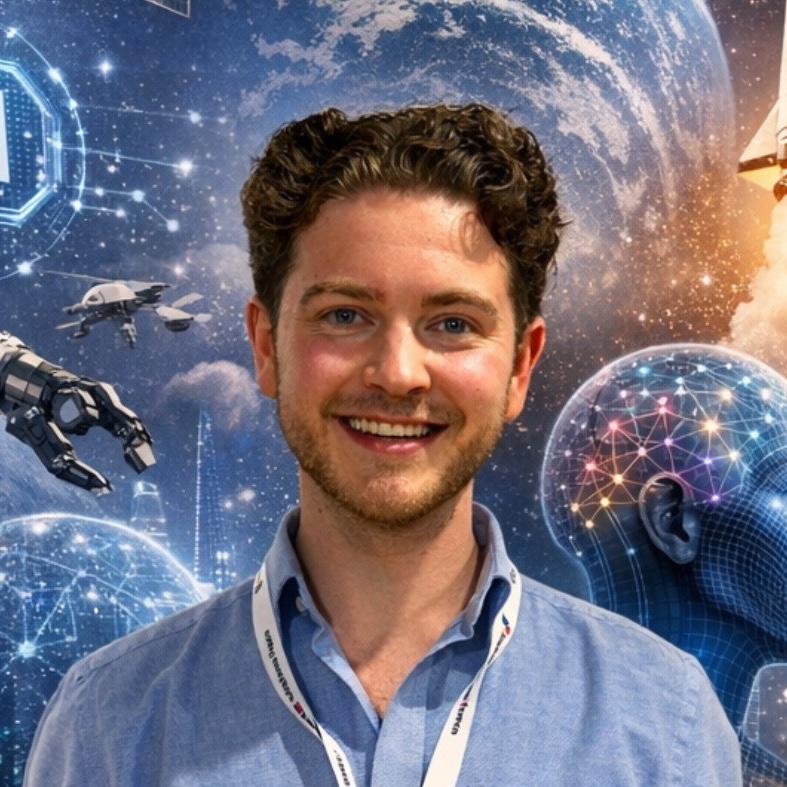
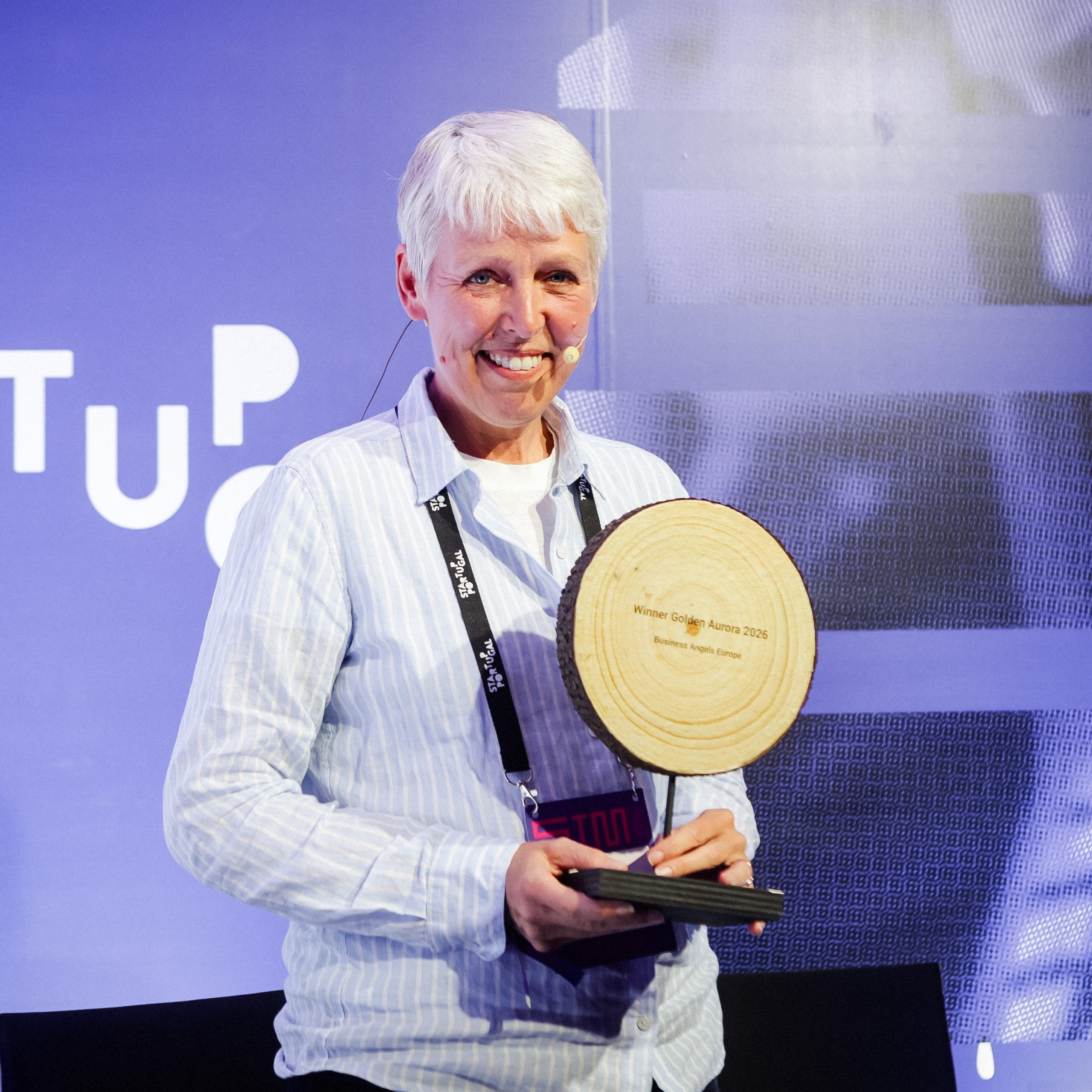
Vicky Brock standing on stage holding a wooden award.

“I like pain. I much prefer pain-led businesses.”

Vicky Brock, Golden Aurora award winner and tech entrepreneur, on what she looks for in a start-up.


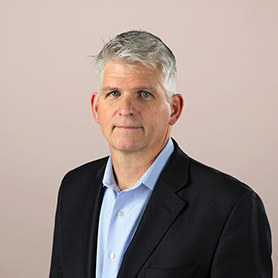
A headshot of Rory Daniels.

“The videos look great of a humanoid doing backflips and parkour. But they’re certainly not safe and they’re not commercially deployable anytime soon.”

Rory Daniels, head of emerging technology and innovation at techUK, talking at the recent Foresight Live event, Robots that think: hype, reality, and the next frontier of AI.


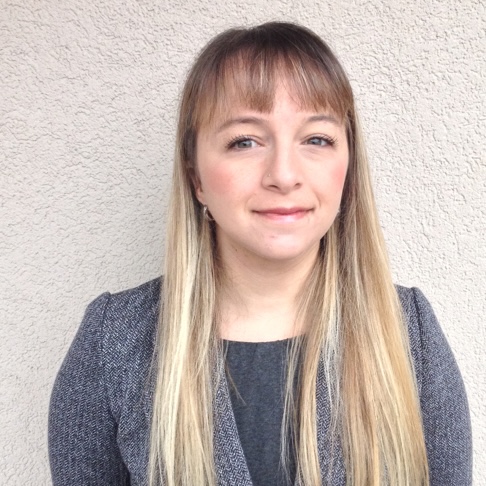
A headshot of Sabine Hauert.

“I worry we’re falling into a complexity trap. Your slime mould is beautifully well-suited to what it’s meant to do. Let’s not go for complexity for the sake of it.”

Sabine Hauert, professor of swarm robotics at University of Bristol, talking about specialisation versus generalisation in robotics, at the recent Foresight Live event, Robots that think: hype, reality, and the next frontier of AI.


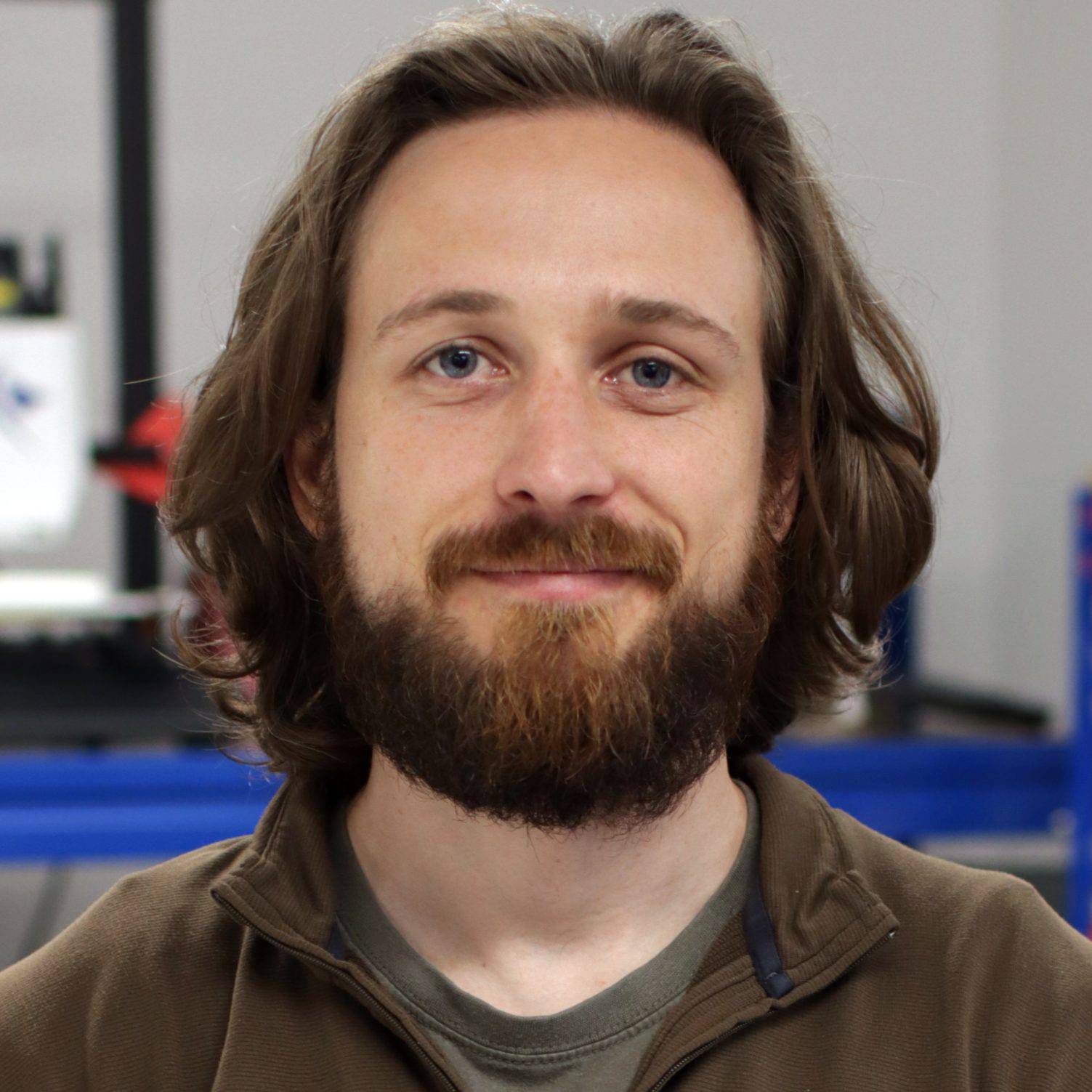
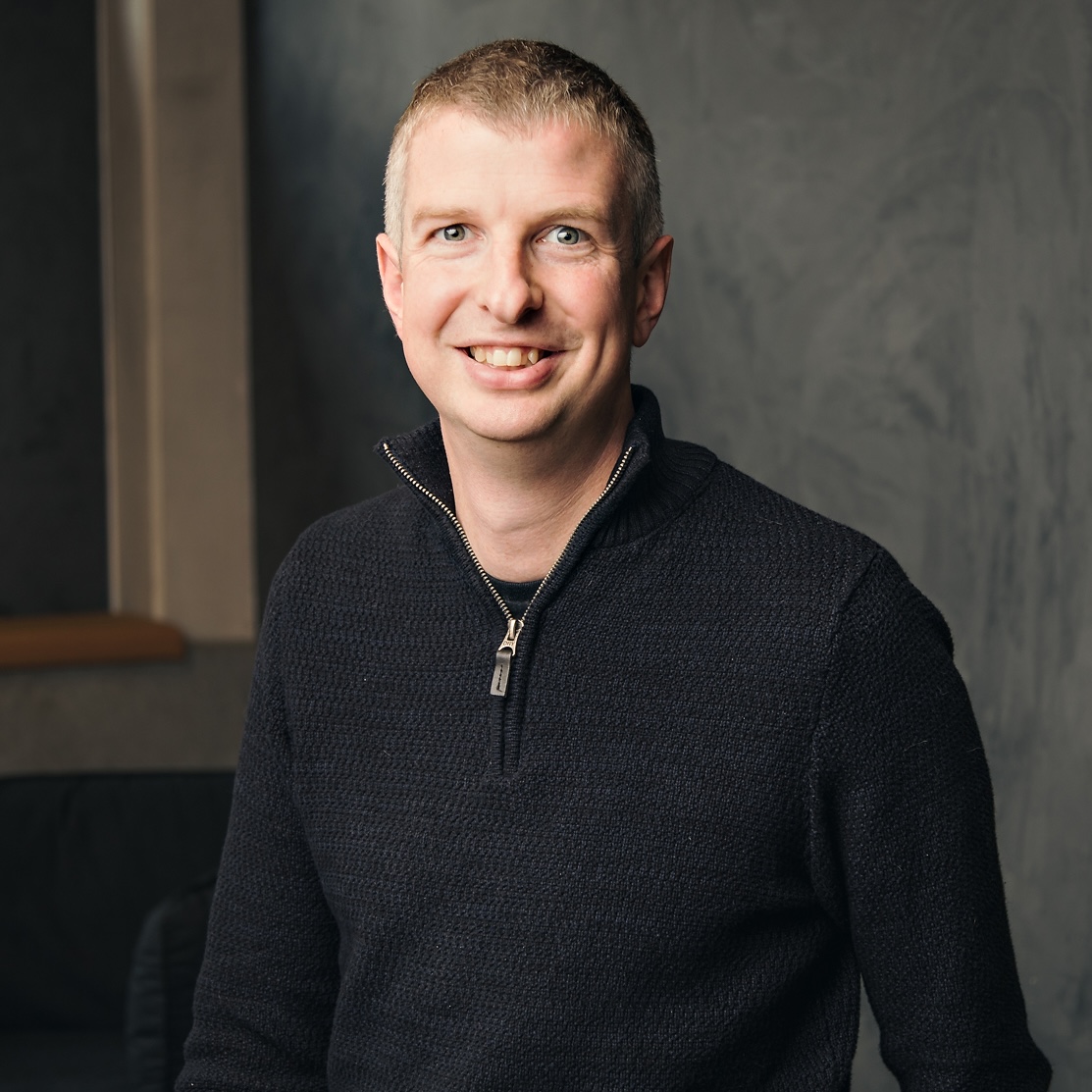
A headshot of Kevin Driscoll-Lind.

“My hopes are that robots are kind of boring. They’re tools to achieve a thing. When they’re working well, they just work.”

Kevin Driscoll-Lind, CTO at Perceptual Robotics, on the future of robots, talking at the recent Foresight Live event, Robots that think: hype, reality, and the next frontier of AI.


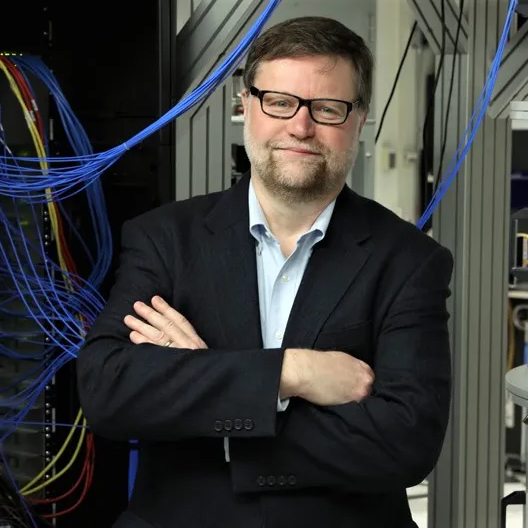
A headshot of Brian Hopkins.

“Most enterprises ask about optimisation, simulation, and cryptography, hoping for breakthroughs in areas like portfolio optimisation or materials discovery. But the reality is that measurable gains today come only from narrow hybrid pilots, and primarily on quantum annealers, with broader transformational value still at least five years out.”

Brian Hopkins, VP of emerging technology at Forrester, on the real-world experience of quantum and the increasing role of AI. From our briefing paper, From promise to progress: how quantum is being shaped by AI and systems integration.


A headshot of David Grimm.

“The teams who will actually crack quantum are people like Phasecraft, who sit precisely in the algorithms/simulation layer where AI can’t shortcut the work.”

David Grimm, partner at Albion VC, on why AI is not a substitute for smart teams of people.  From our briefing paper, From promise to progress: how quantum is being shaped by AI and systems integration.


A headshot of Robert Sutor.

“Energy usage is also a huge factor. Companies like PsiQuantum suggest their large‑scale photonic systems could require facilities on the scale of data centres. But this is going to require massive cooling. This isn’t a computer you just plug in the wall socket.”

Robert Sutor, founder at Sutor Group and former IBM Quantum VP, on the challenges facing the scaling of quantum. From our briefing paper, From promise to progress: how quantum is being shaped by AI and systems integration.


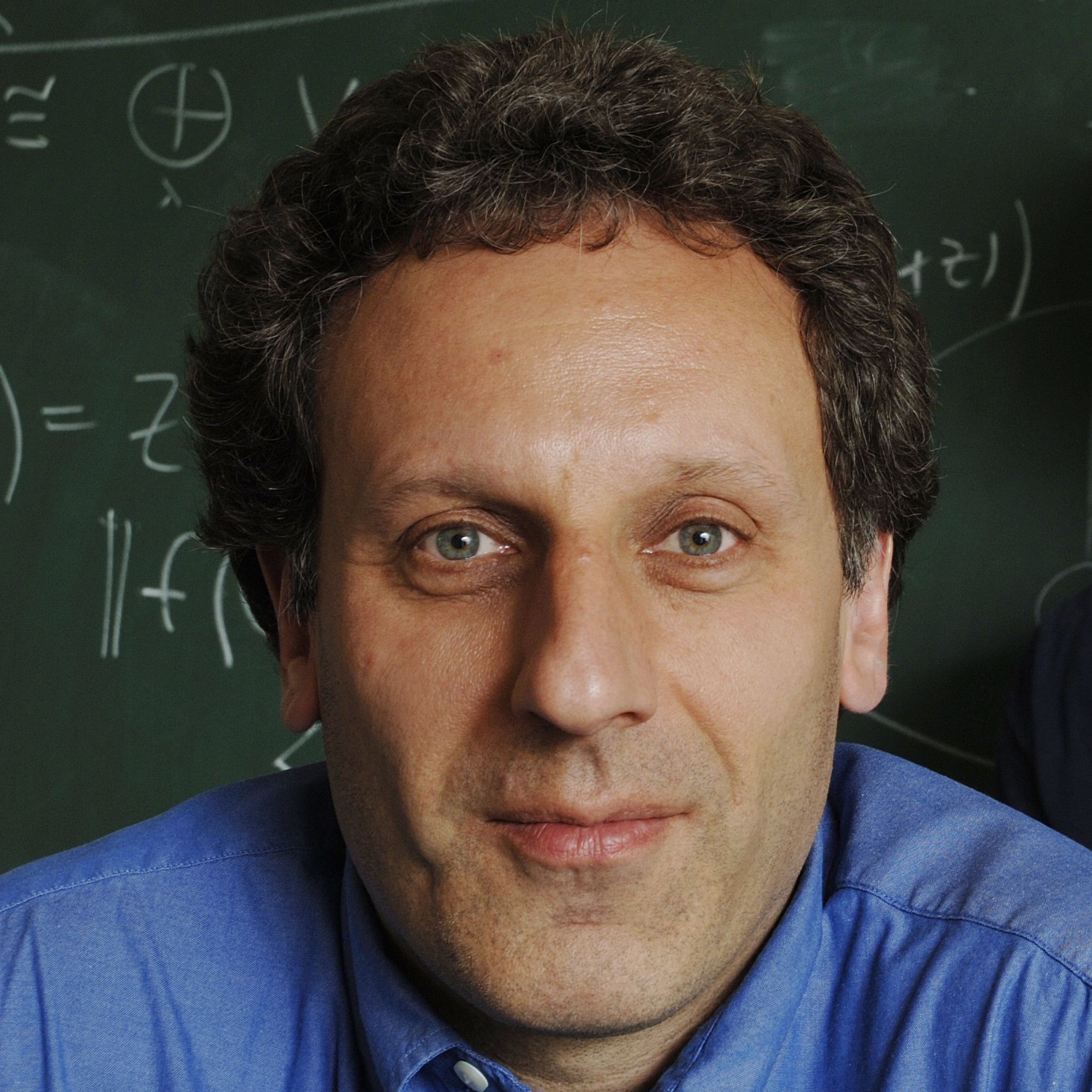
A headshot of Noah Linden.

“And whilst there’s a lot of focus on AI, it’s just a component of digital computing. Granted, it’s a very high-profile one at the moment. But it’s not the only thing. So the right question is really about classical/digital computing and quantum computing. I think a model that most people have is that a quantum computer is likely to be what you might call a co-processor.”

Professor Noah Linden, director of the Bristol Quantum Information Institute, on why the future of quantum is also tied to the future of AI and other computing technologies. From our briefing paper, From promise to progress: how quantum is being shaped by AI and systems integration.


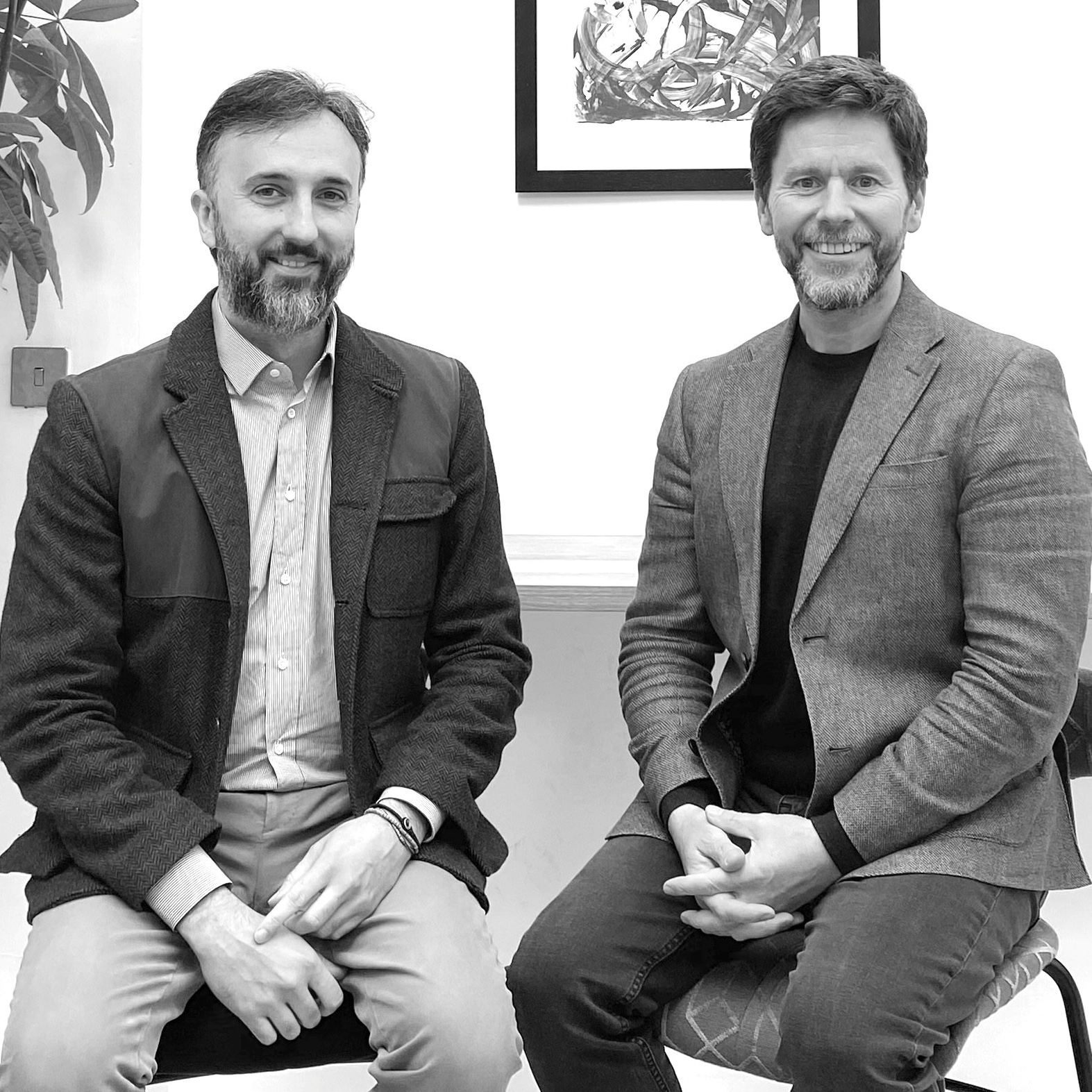
A black and white photograph of two men sitting on chairs. They are the co-founders of Duality Quantum Photonics.

“I always felt that it was a 70-year journey from the conception of quantum computing to large scale fault-tolerant quantum computing [FTQC]. I was thinking about previous similar journeys such as the conception of a Bose Einstein condensate to its experimental realisation, which took about 70 years.”

Anthony Laing, co-founder and CEO at Duality Quantum Photonics, in our briefing paper, From promise to progress: how quantum is being shaped by AI and systems integration.

Marc Ambasna Jones
Marc Ambasna Jones / Working as a technology journalist and writer since 1989, Marc has written for a wide range of titles on technology, business, education, politics and sustainability, with work appearing in The Guardian, The Register, New Statesman, Computer Weekly and many more.

Working as a technology journalist and writer since 1989, Marc has written for a wide range of titles on technology, business, education, politics and sustainability, with work appearing in The Guardian, The Register, New Statesman, Computer Weekly and many more.